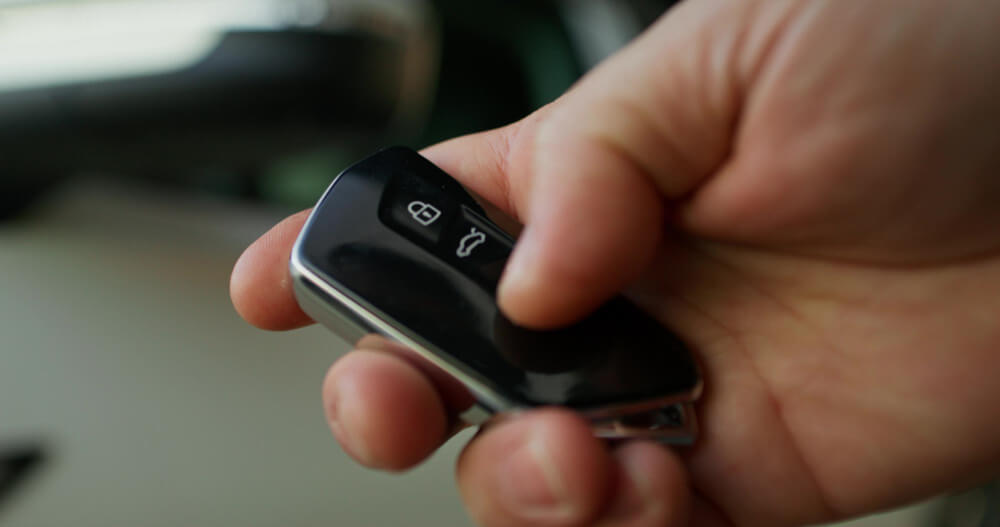
When your key fob is not working, it can feel urgent fast. You might be stuck outside your car, unable to start it, or dealing with a “no key detected” message when you’re already running late. This article walks you through the most useful, safe checks you can do in a few minutes, what different symptoms usually mean, and when it’s time to call for professional help. If you’re in Oklahoma City or nearby and need hands-on assistance with a lockout or key issue, OK Towing Company can be reached at 1 (405) 449-8100.
First: confirm the problem and avoid getting stranded
Start by identifying what “not working” actually looks like, because the fix depends on the symptom.
If the buttons don’t unlock the doors but the headlights flash, the fob may still be sending a signal, and the issue could be with the car’s receiver, the door lock actuators, or a setting. If nothing happens at all, the fob battery is the first suspect. If the doors unlock but the car won’t start, you’re likely dealing with a push-to-start detection issue, an immobilizer problem, or a weak vehicle battery.
Also look at your surroundings. If you’re parked in an unsafe spot, in extreme heat or cold, or in a busy lot at night, prioritize personal safety. If you can’t get the car open quickly and you feel uncomfortable waiting, move to a safer, well-lit area and call for help.
Fast fixes you can try in minutes
Replace the key fob battery the right way
A dead or weak coin-cell battery is the most common reason a key fob stops working suddenly. Replacing it is often simple, but small mistakes can cause frustration.
Use the exact battery type your fob calls for. Many use common coin cells, but the size matters. When you open the fob, pay attention to battery orientation. Putting the battery in upside down is easy to do, and it will make it seem like the new battery is bad.
While you have it open, look for corrosion or grime on the contacts. If you see residue, gently wiping the contacts can help. Reassemble the case carefully so the battery seats firmly and the buttons line up. A misaligned case can keep a button from pressing correctly.
After replacement, stand near the vehicle and try lock and unlock again. Some vehicles are picky about distance when the fob battery is weak, so testing from close range helps you confirm the result.
Try the spare fob if you have one
If you have a second fob, try it right away. This is a quick way to narrow the problem.
If the spare works, your vehicle is likely fine and your primary fob may have a dead battery, worn buttons, or internal damage. If neither fob works, the issue may be on the vehicle side, such as a weak car battery, a blown fuse, or a receiver problem. You’re not diagnosing the whole system yet, but you’re making smarter next steps.
Use the physical key hidden inside the fob
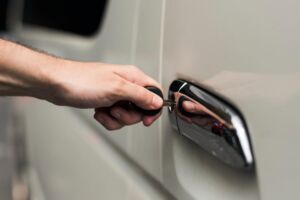
Many fobs have a mechanical key tucked inside. It may slide out with a small switch or pop out with a button. That key can usually unlock the driver’s door using the key cylinder.
If you rarely use the door key cylinder, it can be stiff. Don’t force it aggressively, because keys can bend or snap. Apply steady pressure and make sure you’re fully inserting the key. If the cylinder doesn’t move, stop and consider calling for assistance rather than breaking the key or damaging the lock.
If your door unlocks mechanically but the alarm sounds when you open the door, that can be normal on some vehicles. In many cases, starting the vehicle with a recognized key or fob will stop the alarm. If the car won’t recognize the fob, you may need a different approach.
If the car won’t start: what “no key detected” usually means
When the doors open but the engine won’t start, the problem is often that the vehicle can’t read the fob’s transponder or proximity signal. That can happen from a dead fob battery, interference, a damaged fob, or an issue in the vehicle’s keyless system.
Use the emergency start method for push-to-start vehicles
Many push-to-start vehicles have a backup way to start when the fob battery is dead. The general idea is to bring the fob very close to the start button or a designated spot so the car can read it at close range.
The exact method varies by make and model, so check your owner’s manual if you can. In some vehicles, you hold the fob against the start button while pressing the brake and pushing the button. In others, there’s a specific slot or area in the console. If you’re not sure, avoid random button combinations that could lock you out further. Focus on the manual or a clear manufacturer instruction.
Consider the vehicle battery, not just the fob
A weak car battery can cause strange symptoms. You might see interior lights dim, hear rapid clicking when starting, or notice that electronics behave inconsistently. In some cases, the remote may appear to work sometimes and fail other times.
If the vehicle battery is low, it can affect the receiver or immobilizer system. Jump starting might help, but if you’re not confident, get assistance. Modern vehicles can be sensitive, and improper jump starting can cause damage.
Common causes of a key fob not working beyond the battery
If replacing the battery didn’t fix it, a few other causes become more likely.
Water exposure is a big one. A fob that went through the wash, got soaked in rain, or lived in a sweaty gym bag can corrode internally. Sometimes it fails immediately, and sometimes it fails days later as corrosion spreads.
Drops and impacts can also crack solder joints or break button contacts. A fob may look fine outside but have internal damage. Worn buttons are common on older fobs. You press harder and harder until it stops responding altogether.
Signal interference can play a role too. Parking garages, large apartment complexes, or areas with lots of electronics can reduce remote range. If your fob only works when you’re very close, interference or a weak fob signal could be involved.
There are also cases where the fob and vehicle lose synchronization, or the vehicle’s keyless entry module has an issue. Some problems require programming tools or diagnosing the car’s system rather than the fob itself.
Situations where DIY can make things worse
A little caution can save you money here.
Avoid prying the fob case open with excessive force. It’s easy to crack the housing or damage internal clips, which can lead to a loose battery connection later. If the battery type is unclear, don’t guess. Using the wrong coin cell can cause poor contact or short battery life.
Be skeptical of “universal programming” promises. Some vehicles can accept additional keys with onboard procedures, but many require specialized equipment and security access. Ordering a cheap fob online can work in some situations, but it can also lead to compatibility issues or a fob that can’t be programmed to your vehicle.
Also avoid forcing the door lock cylinder if it feels stuck. If the key bends or breaks, you’ve turned one problem into two.
When to call a mobile locksmith vs. the dealer
If you’re locked out, your key fob is damaged, or you need help getting back into the vehicle safely, a mobile locksmith is often the most practical next step. Many locksmiths can handle lockouts, cut certain keys, and in some cases program fobs or transponder keys on-site, depending on the vehicle.
A dealership may be the right choice when your vehicle requires manufacturer-specific programming, the security system won’t accept new keys, or you suspect a deeper issue with the car’s keyless entry module. It also depends on your make, model, and year. Some newer vehicles have security features that can limit who can program keys and how.
If you’re unsure, describe the symptoms clearly and ask what information is needed to confirm options. Your vehicle year, make, model, and whether it’s a traditional key, transponder key, or push-to-start fob will matter.
In Oklahoma City and surrounding areas, OK Towing Company can help with the immediate problem when you’re stranded, especially when a lockout is part of the situation. If you need help, you can call 1 (405) 449-8100.
How to prevent the next key fob failure
Key fobs fail at the worst times because most people don’t touch them until they don’t work. A little prevention helps.
Keep a spare fob somewhere safe, not inside the vehicle. Consider replacing the fob battery proactively if you notice reduced range or inconsistent performance. Protect the fob from moisture, and use a case if you tend to drop keys. It’s also smart to use the physical door key occasionally. That keeps you familiar with how it works and can help prevent the lock cylinder from getting stiff from lack of use.
The most important takeaway: if your key fob stops working, start with the simple checks, but don’t force locks or keep retrying a failing start sequence if warning signs suggest a bigger issue.
Conclusion
When your key fob is not working, the fastest path forward is usually simple: confirm the symptom, replace the fob battery correctly, try the spare if you have one, and use the hidden physical key to get into the car when needed. If the vehicle still won’t start, the issue may be key detection, interference, fob damage, or even a weak vehicle battery, and that’s when professional help can save time and prevent damage.
If you’re in the Oklahoma City area and you’re locked out or stuck with a key issue you can’t resolve safely, reach out to OK Towing Company at 1 (405) 449-8100 and we’ll help you figure out the next step.