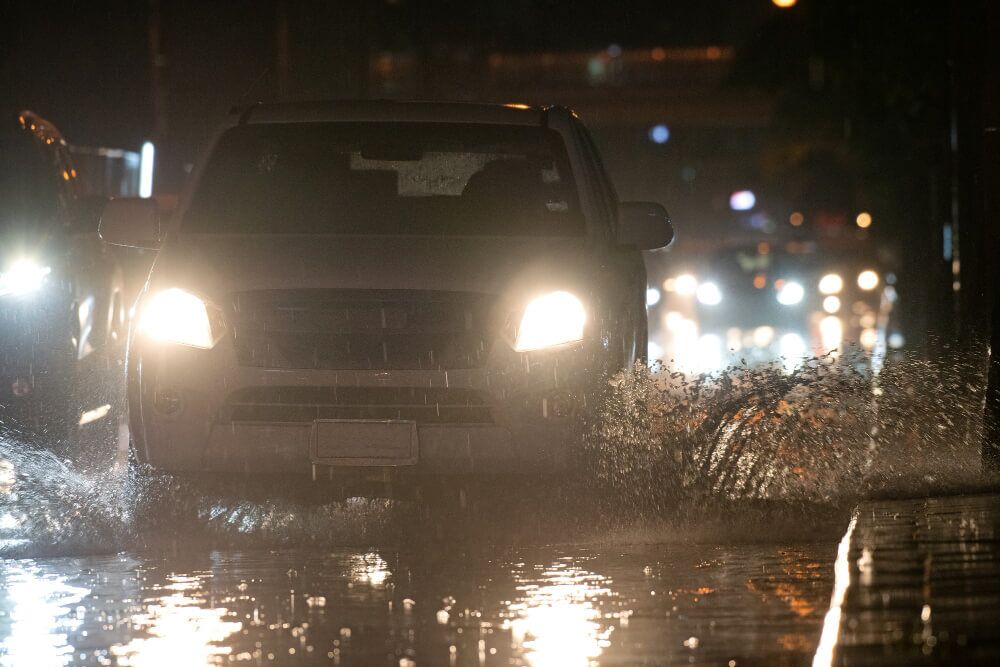
Oklahoma drivers know the drill. The sky turns green, sirens wail, and within minutes you’re dealing with golf ball-sized hail, flash flooding, or tornado-force winds. When severe weather strikes while you’re on the road, a simple commute can turn into a dangerous accident situation requiring immediate action and careful recovery planning.
Weather-related car accident recovery in Oklahoma is a critical skill during the state’s notorious storm seasons. This guide covers essential safety protocols, documentation strategies, and recovery considerations specifically for Oklahoma’s unique weather challenges. Whether you’re navigating ice-covered highways in January or dodging debris during tornado season, knowing how to handle weather-related accidents can protect your safety and financial interests. For emergency weather-related recovery situations, OK Towing Company provides specialized accident recovery services throughout Oklahoma City and surrounding areas at (405) 449-8100.
Oklahoma’s Severe Weather Accident Reality
Oklahoma ranks among the top states for weather-related vehicle accidents, with severe thunderstorms, tornadoes, ice storms, and flash flooding creating hazardous driving conditions throughout the year. The Oklahoma Highway Safety Office reports that weather contributes to approximately 21% of all traffic accidents statewide, with the highest concentrations occurring along major corridors like I-35, I-40, and I-44.
Storm Season Breakdown by Weather Type
Spring brings tornado season from March through June, creating sudden visibility loss, flying debris, and rapidly changing road conditions. Summer thunderstorms produce flash flooding that can turn familiar roads into dangerous waterways within minutes. Winter ice storms create treacherous conditions that can persist for days, while severe hail storms cause immediate visibility loss and vehicle damage.
The Oklahoma City metropolitan area faces particular challenges due to its position in Tornado Alley and the convergence of multiple interstate highways. Moore, Norman, and Edmond experience frequent severe weather events that create accident-prone conditions for thousands of daily commuters.
Immediate Safety During Weather Related Car Accidents
Personal safety takes absolute priority over property concerns during severe weather accidents. Stay inside your vehicle unless immediate danger like fire or rising flood water requires evacuation. Modern vehicles provide better protection than seeking shelter outside during most weather events.
Tornado Safety While Driving
During tornado warnings, avoid the common misconception about overpass safety. Overpasses create wind tunnel effects that increase danger rather than provide protection. If caught in a tornado while driving, park away from traffic, keep your seatbelt fastened, and cover your head with your hands or a blanket.
Flash Flood Emergency Response
Flash flooding presents different dangers that require immediate decision-making. Never attempt to drive through standing water more than six inches deep. Turn around and find alternate routes, even if it means significant delays. Most flood-related vehicle fatalities occur when drivers attempt to cross water-covered roads.
Essential Weather Emergency Actions:
• Call 911 immediately if anyone is injured or if your vehicle blocks traffic
• Turn on hazard lights to increase visibility for other drivers
• Document weather conditions using your phone’s timestamp and location features
• Stay with your vehicle unless fire, flood, or structural damage requires evacuation
• Keep emergency supplies including blankets, water, and phone chargers in your vehicle
Ice storm accidents require special consideration for hypothermia risks. Keep your engine running for heat if the exhaust pipe remains clear of snow or debris. Dress warmly and limit time outside the vehicle when documenting accident details.
Post-Accident Documentation in Severe Weather Conditions
Documenting weather related car accident recovery Oklahoma incidents requires balancing thorough evidence collection with ongoing safety risks. Severe weather often continues during and after accidents, limiting the time available for proper documentation.
Critical Evidence Collection
Take photos of vehicle damage, road conditions, and weather evidence when safe to do so. Capture images showing standing water depths, ice coverage, debris locations, and visibility conditions. These photos become crucial evidence for insurance claims and potential legal proceedings.
Weather condition documentation should include timestamp photos of radar apps, local weather warnings, and temperature readings if available. Insurance companies increasingly rely on official weather data to verify claims, making this documentation valuable for claim processing.
Witness and Information Exchange
Witness information becomes more challenging to collect during severe weather as people seek immediate shelter. Collect contact information quickly and note their location relative to the accident scene. Police response times often increase during widespread weather events, making witness statements even more important.
Exchange insurance information rapidly but thoroughly. Severe weather can make paper documents difficult to handle, so consider using phone cameras to photograph insurance cards and driver licenses with the other party’s permission.
Insurance Considerations for Weather Related Accidents
Weather significantly impacts fault determination in accident claims, but severe conditions don’t automatically absolve drivers of responsibility. Insurance companies evaluate whether drivers exercised reasonable care given the weather conditions at the time of the accident.
Coverage Types and Weather Damage
Comprehensive coverage typically handles weather-related vehicle damage like hail, flooding, or tree damage, while collision coverage applies when weather contributes to accidents with other vehicles or objects. Understanding these distinctions helps drivers file claims correctly and avoid coverage gaps.
“Act of God” designations apply only to truly unavoidable weather events, not accidents that result from poor driving decisions during severe weather. Driving too fast for conditions, following too closely, or ignoring weather warnings can result in fault assignments even during severe weather.
Claim Processing Challenges
Documentation requirements for weather-related claims often exceed standard accident claims. Insurance adjusters may request official weather reports, radar data, and detailed timelines of weather conditions leading up to the accident.
Processing delays commonly occur during widespread weather events when insurance companies handle multiple claims simultaneously. Starting the claims process immediately, even during ongoing severe weather, helps avoid further delays in an already slow system.
Vehicle Recovery Challenges in Severe Weather
Standard towing and recovery methods often fail during severe weather conditions, especially when vehicles slide off the road or end up stuck in roadside ditches. If this happens, knowing what to do when your car ends up in a ditch can help you stay safe while waiting for recovery.
Timing and Safety Considerations
Recovery timing becomes critical during weather events. Waiting for conditions to improve may prevent further damage and ensure worker safety, but immediate recovery might be necessary if the vehicle blocks emergency routes or faces additional weather damage.
Specialized Equipment for Weather Conditions
Flooding requires specialized recovery techniques to prevent engine damage and ensure operator safety. Recovery vehicles need higher clearance and waterproofing to operate in flood conditions, while electrical systems require special protection during water recovery operations.
Ice storms create unique recovery challenges requiring specialized traction equipment and safety protocols. Standard tow trucks often can’t maintain traction on ice-covered roads, necessitating different recovery approaches and equipment.
Debris fields from tornadoes or severe thunderstorms require careful navigation and often coordination with emergency services. Recovery operations may need to wait until roads are cleared and deemed safe for heavy equipment operation.
Oklahoma-Specific Weather Preparedness for Drivers
Oklahoma drivers need year-round weather preparedness given the state’s diverse severe weather patterns. Vehicle emergency kits should include supplies for both winter cold and summer heat extremes, reflecting the state’s climate variability.
Route Planning and Monitoring
Route planning during severe weather warnings saves lives and prevents accidents. Monitor weather radar, road conditions, and emergency alerts before leaving home. Oklahoma’s Department of Transportation provides real-time road condition updates during weather events.
Vehicle Maintenance for Oklahoma Weather
Vehicle maintenance for Oklahoma weather includes checking tire tread for wet weather traction, ensuring windshield wipers handle heavy rain and hail, and maintaining cooling systems for extreme heat. Battery performance becomes critical during temperature extremes common in Oklahoma.
Oklahoma Weather Preparedness Checklist:
• Monitor weather alerts from the National Weather Service Norman office
• Plan alternate routes avoiding flood-prone areas and tornado-prone corridors
• Keep emergency supplies including water, blankets, and first aid supplies
• Maintain vehicle systems with regular checks of tires, brakes, and fluid levels
• Download weather apps providing radar and alert information for your specific location
Community resources include local emergency management offices, weather alert systems, and road condition hotlines. Oklahoma City and surrounding communities provide multiple notification systems for severe weather events and road closures.
Professional Recovery When Weather Complicates Everything
Weather related car accident recovery Oklahoma situations often exceed what standard assistance can handle safely and effectively. Professional recovery services understand the specialized equipment, safety protocols, and timing considerations required for severe weather operations.
When to Call Professionals
Complex weather recovery situations require coordination between multiple agencies, specialized equipment for challenging conditions, and expertise in handling weather-damaged vehicles. Professional services also understand insurance documentation requirements specific to weather-related claims.
Recovery operations during ongoing weather events prioritize safety over speed, often requiring multiple visits or extended timeframes to complete safely. Professional services have the experience to make these critical safety decisions.
When severe weather turns your accident into a complex recovery situation, contact us at OK Towing Company at (405) 449-8100. We provide specialized weather-related recovery services throughout Oklahoma City and surrounding areas, with the equipment and expertise needed to handle challenging weather recovery situations safely and professionally