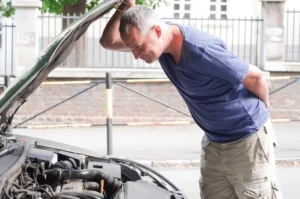
Your car worked perfectly through years of daily commuting, but now it won’t start after sitting in the driveway for four days. Remote work has fundamentally changed how we use our vehicles, and many drivers are discovering that their car battery dies from sitting more often than it used to. This shift from daily driving to occasional use creates new challenges for battery maintenance that most car owners never had to consider before.
Understanding why batteries fail during extended periods of inactivity helps prevent those frustrating moments when you need your car but find it completely dead. At OK Towing Company, we respond to battery-related calls throughout Oklahoma City and surrounding areas. Call us at 1 (405) 449-8100 when you need reliable jumpstart assistance for batteries that have died from extended parking.
This guide explains why your car battery dies from sitting, how remote work patterns affect battery health, and practical solutions for maintaining reliable transportation with less frequent driving.
Why Your Car Battery Dies From Sitting
Car batteries need regular recharging to maintain their chemical balance and power capacity. When you drive your vehicle, the alternator generates electricity that recharges the battery and powers all electrical systems. This charging process reverses the chemical reactions that occur when the battery provides power to start your engine and run accessories.
During extended periods of inactivity, your car battery dies from sitting because it continues to power essential systems like the computer memory, clock, and security system without receiving regular recharging cycles. This parasitic drain typically consumes power continuously. While this seems minimal, it can drain a battery within several weeks depending on the battery’s age and capacity.
Modern vehicles are more susceptible to sitting-related battery death because they contain more electronic systems than older cars. Engine computers, infotainment systems, and various sensors require constant power to maintain their programming and settings. These additional electrical loads increase the overall parasitic drain and reduce how long a battery can sit without recharging.
The chemical processes inside lead-acid batteries also deteriorate during periods of inactivity. Sulfation occurs when lead sulfate crystals form on the battery plates, reducing the battery’s ability to hold and deliver charge. Regular driving helps prevent sulfation by keeping the battery charged and the chemical reactions active.
How Remote Work Changed Driving Patterns
Before Remote Work Became Common
Daily commuting provided consistent battery maintenance through regular alternator charging cycles. Most drivers traveled regularly, which gave the alternator sufficient time to fully recharge the battery and maintain optimal chemical balance. Frequent driving added charging cycles that kept batteries healthy even during brief periods of inactivity.
After Remote Work Adoption
Many remote workers now drive less frequently, creating gaps of several days between uses. These extended sitting periods don’t allow enough time for the alternator to fully recharge the battery during short trips to grocery stores or appointments.
Less frequent driving has become increasingly common, meaning vehicles sit unused for multiple consecutive days. This pattern is particularly problematic because several days of parasitic drain can significantly weaken a battery, especially during extreme weather conditions.
Multiple vehicle households now face decisions about which car to drive, often leaving one vehicle sitting for extended periods while the other handles all transportation needs.
Warning Signs That Your Car Battery Dies From Sitting
Recognizing early symptoms helps you address battery problems before complete failure leaves you stranded. You should be regularly checking your battery health and make sure it is in optimal condition.
Slow cranking after several days indicates your battery is losing its ability to provide strong starting power. The engine may still start, but the cranking sounds noticeably slower or weaker than normal. This symptom often appears after sitting for extended periods.
Dashboard lights appearing dimmer during startup suggests the battery cannot provide full voltage to all electrical systems simultaneously. You might notice interior lights dimming when you turn the key or press the start button.
Complete failure to start after extended sitting represents advanced battery deterioration from inactivity. The battery may produce clicking sounds or no response at all when you attempt to start the vehicle.
Electrical accessories seeming weaker includes radio volume being lower, power windows moving slower, or headlights appearing dimmer than usual. These symptoms indicate the battery cannot supply adequate power to operate systems at full capacity.
Factors That Worsen Battery Death From Sitting
Several conditions accelerate how quickly your car battery dies from sitting and require additional attention in your maintenance routine.
Extreme temperatures affect battery chemistry and increase parasitic drain. Hot weather accelerates chemical deterioration inside batteries, while cold weather reduces the battery’s available capacity. Both conditions make batteries more vulnerable to sitting-related failure.
Battery age plays a crucial role in sitting tolerance. Older batteries lose their ability to hold charge during inactivity much faster than newer batteries. Older batteries also have reduced capacity, making them more susceptible to parasitic drain.
Vehicle type and electronics influence how quickly batteries drain during sitting periods. Vehicles with advanced security systems, multiple computers, and convenience features typically have higher parasitic draw than basic transportation vehicles.
Parking conditions affect battery health during extended sitting. Vehicles parked in direct sunlight experience more battery stress than those parked in shaded or covered areas. Different surface types may also affect the conditions around your vehicle.
Practical Solutions for Remote Workers
Driving Schedule Adjustments
Plan regular drives of adequate duration on highways or open roads where the alternator can operate effectively. City driving with frequent stops and starts doesn’t provide optimal charging conditions for maintaining battery health.
Combine multiple errands into single trips rather than making several short drives throughout the week. Longer continuous drives give the alternator more time to fully recharge the battery and reverse any sulfation that may have begun.
Battery Maintenance Tools
Battery maintainers provide low-level charging during extended parking periods. These devices connect to your battery and automatically maintain proper charge levels without overcharging. They work well for vehicles that sit regularly for extended periods.
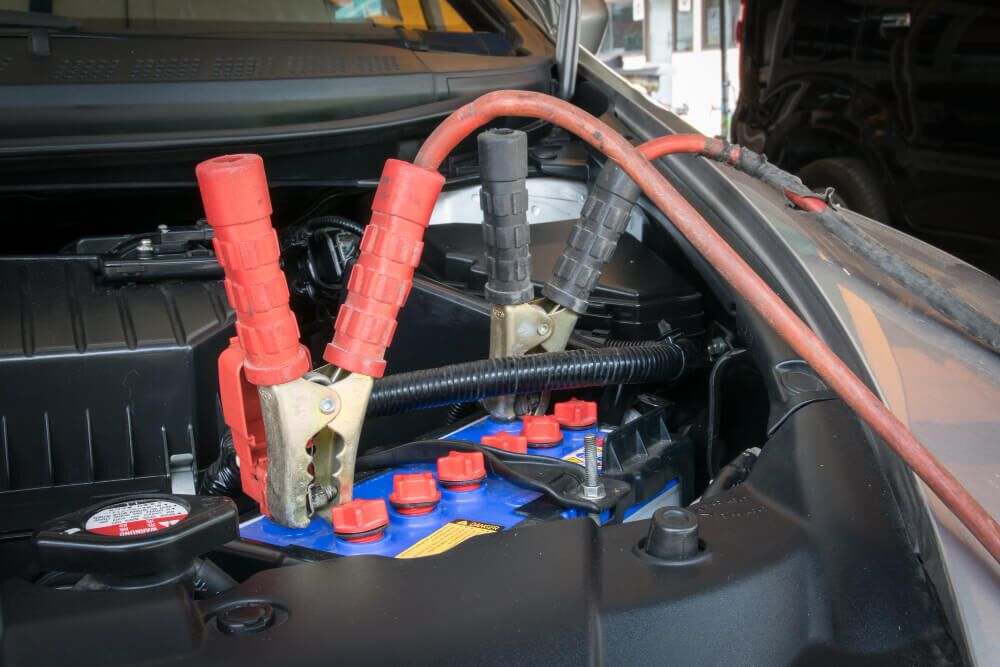
Portable jump starters offer backup power when your battery dies from sitting. Modern jump starters are compact, reliable, and can start most vehicles multiple times on a single charge. Keep one in your vehicle as emergency insurance.
Strategic Vehicle Management
Rotate usage between multiple vehicles to ensure each receives regular driving time. If you own multiple cars, alternate use rather than consistently choosing the same vehicle for all trips.
Park vehicles in shaded areas when possible to reduce heat stress on batteries during hot weather. Garages provide excellent protection, but carports or tree shade also help maintain more stable battery temperatures.
When Professional Help Becomes Necessary
Some battery problems require professional diagnosis beyond simple sitting-related discharge issues.
Batteries that fail repeatedly despite regular driving may have internal damage or reduced capacity that requires replacement. Professional load testing can determine whether your battery can still hold adequate charge or needs replacement.
Electrical system problems like excessive parasitic drain, failing alternators, or computer issues cause symptoms similar to sitting-related battery death but require different solutions. Professional electrical diagnosis can identify these underlying problems.
When you find yourself stranded with a dead battery, OK Towing Company provides reliable jumpstart service throughout Oklahoma City and surrounding areas. We understand the challenges drivers face with battery maintenance and can help get you back on the road quickly.
Long-Term Battery Health for Changed Lifestyles
Adapting your vehicle maintenance routine to new driving patterns helps prevent future battery problems and extends battery life.
Consider upgrading to a higher-capacity battery if your driving patterns have changed to infrequent use. Larger batteries can tolerate longer sitting periods and provide more reserve power for parasitic drain.
Plan battery replacement timing around your driving habits rather than traditional schedules. Drivers with infrequent use patterns may need to replace batteries based on age and performance rather than usage patterns alone.
Build reliable backup plans for battery emergencies, including emergency contact numbers, portable jump starters, and knowledge of nearby service providers who can assist with battery-related problems.
Conclusion
Remote work has created new challenges for car battery maintenance that many drivers are still learning to navigate. Understanding why your car battery dies from sitting helps you develop effective strategies for maintaining reliable transportation with less frequent driving. The key lies in adapting your vehicle care routine to match your new lifestyle patterns rather than continuing old maintenance habits that no longer fit your needs.
Regular longer drives, proper parking strategies, and appropriate backup tools can prevent most sitting-related battery problems. When prevention isn’t enough and you need emergency assistance, OK Towing Company provides dependable jumpstart service throughout the Oklahoma City area. Contact us at 1 (405) 449-8100 when your battery dies from sitting and you need professional help getting back on the road.