Putting wrong fuel in car happens to thousands of drivers annually, creating immediate panic about potential engine damage and expensive repairs. Whether it’s diesel in a gasoline engine or gasoline in a diesel system, fuel mix-ups can cause serious mechanical problems that require immediate attention. Understanding the differences between fuel types, recognizing contamination symptoms quickly, and knowing proper response steps protects your engine from costly damage.
This guide explains what happens when wrong fuel enters your vehicle, immediate actions that prevent further damage, and professional solutions for contamination cleanup. The key lies in stopping engine operation immediately and seeking proper fuel system service before contamination spreads. When fuel emergencies occur, OK Towing Company provides reliable assistance throughout Oklahoma City and surrounding areas. Contact us at 1 (405) 449-8100 for emergency fuel services and professional guidance during fuel-related vehicle problems.
Understanding Wrong Fuel in Car Mix-Up Scenarios
Wrong fuel situations typically involve diesel fuel entering gasoline engines or gasoline contaminating diesel systems. These mix-ups happen during distracted fueling, rental car confusion, or emergency situations where fuel type verification gets overlooked.
Fuel contamination severity depends on several factors. Small amounts of wrong fuel mixed with correct fuel cause different problems than completely filling an empty tank with incorrect fuel type. Engine running time after contamination directly affects damage severity, with longer operation causing more extensive system damage.
Common Mix-Up Situations
Fleet vehicle drivers switching between diesel trucks and gasoline cars frequently experience fuel type confusion. Rental car drivers unfamiliar with vehicle fuel requirements represent another high-risk group for wrong fuel incidents.
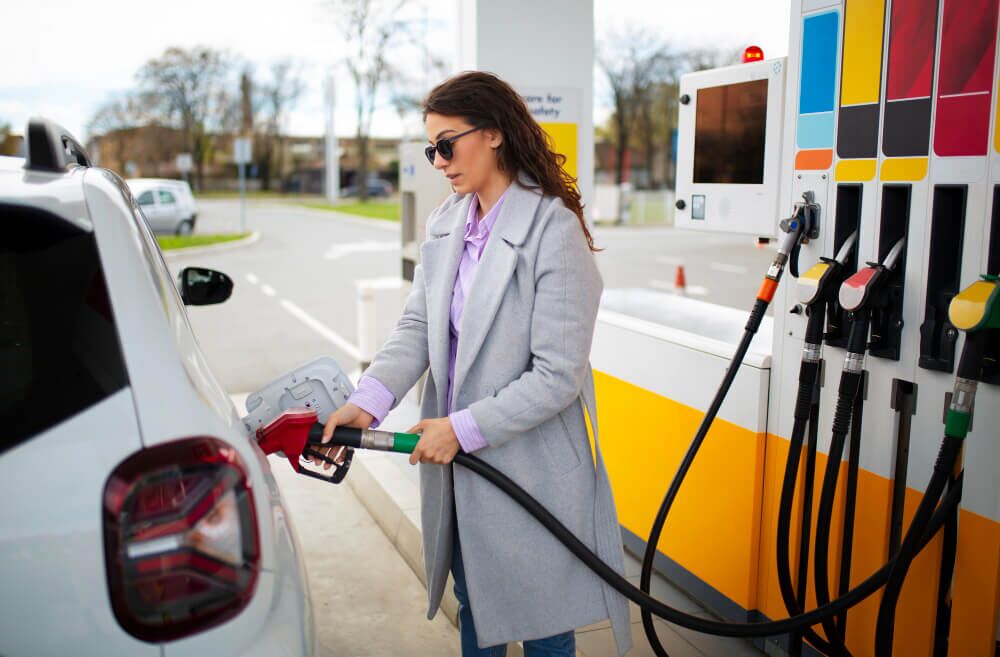
Emergency fueling situations during severe weather or late-night stops increase mix-up probability when lighting is poor and drivers are rushed. Gas station pump design similarities make wrong fuel selection easier, especially when nozzle sizes accommodate multiple vehicle types.
Immediate Recognition Signs
Wrong fuel in car situations produce specific warning signs within minutes of starting the engine. Performance changes include rough idling, engine misfiring, or complete stalling shortly after fueling. Unusual exhaust smoke colors indicate combustion problems, while dashboard warning lights activate as engine management systems detect fuel-related issues.
Strong fuel odors different from normal exhaust smells often accompany wrong fuel contamination. These symptoms require immediate engine shutdown to prevent circulation of contaminated fuel throughout the system.
What Happens When Diesel Goes in Gasoline Engines
Diesel fuel in gasoline engines creates immediate performance problems due to fundamental fuel property differences. Diesel’s higher viscosity clogs fuel injectors designed for thinner gasoline, while incomplete combustion causes engine misfiring and power loss.
The contamination process begins as soon as diesel-contaminated fuel reaches the engine. Fuel injectors struggle to atomize thick diesel fuel properly, creating uneven combustion patterns that trigger engine management system warnings. Catalytic converters suffer damage from unburned diesel particles, leading to expensive emission system repairs.
Immediate Symptoms and Damage
Engine performance deteriorates rapidly when diesel contaminates gasoline systems. Rough idling occurs within minutes, followed by thick white or black exhaust smoke indicating combustion problems. Check engine lights activate as oxygen sensors detect abnormal exhaust compositions.
Fuel pump damage occurs because gasoline fuel pumps aren’t designed for diesel’s lubricating properties. Spark plugs foul quickly from diesel residue buildup, requiring replacement even after fuel system cleaning.
Repair Costs and Recovery Timeline
Professional fuel system flushing for diesel contamination costs between $500-1500 depending on contamination severity. Fuel injector cleaning or replacement adds $300-800 to repair expenses, while severe contamination can require engine component replacement costing several thousand dollars.
Recovery requires immediate driving cessation followed by complete fuel system draining and cleaning. Vehicle downtime typically lasts 2-3 days for thorough contamination removal and system testing.
Gasoline in Diesel Engine Problems
Gasoline contamination in diesel engines causes different but equally serious problems. Gasoline lacks the lubricating properties essential for diesel fuel pump operation, leading to rapid pump wear and potential failure.
Critical Diesel System Damage
High-pressure diesel fuel pumps suffer immediate damage from gasoline’s lack of lubrication, with replacement costs often exceeding $2000. Fuel injectors designed for diesel’s specific properties malfunction when exposed to gasoline’s different viscosity and combustion characteristics.
Diesel particulate filters clog from gasoline combustion byproducts, requiring replacement costs between $1500-3000. Engine timing systems suffer damage from improper fuel combustion patterns, affecting overall engine performance and longevity.
Commercial Vehicle Implications
Fleet operations face significant business disruption when commercial diesel vehicles experience gasoline contamination. Downtime costs include lost productivity, customer service delays, and emergency vehicle replacement expenses.
Commercial drivers bear responsibility for fuel type verification, with contamination incidents potentially affecting CDL records and employment status. Insurance coverage for fuel contamination varies significantly between commercial policies, making prevention essential for business protection.
Immediate Response Steps for Wrong Fuel Emergencies
Stop driving immediately when wrong fuel in car contamination is suspected. Continuing to operate the engine circulates contaminated fuel throughout the system, increasing damage severity and repair costs.
Turn off the engine and avoid restart attempts that push wrong fuel deeper into the fuel system. Document the incident with photos of fuel receipts, pump information, and vehicle location for insurance claim purposes.
Professional Help vs. DIY Attempts
Fuel system contamination requires specialized diagnostic equipment and cleaning procedures beyond typical DIY capabilities. Professional technicians can assess contamination levels and determine appropriate cleaning methods for specific vehicle systems.
Never attempt to dilute wrong fuel with correct fuel type, as this approach rarely prevents engine damage and often makes contamination assessment more difficult. Avoid running the engine hoping to “burn through” contaminated fuel, as this strategy typically increases repair costs significantly.
Emergency Service Coordination
Contact professional emergency services for fuel contamination assessment and proper fuel delivery after system cleaning. Emergency transportation assistance becomes necessary during multi-day repair periods when vehicle use is impossible.
Insurance companies require immediate notification about fuel contamination incidents. Professional repair estimates help process claims efficiently while ensuring proper documentation for coverage determination.
Prevention Strategies for Future Protection
Fuel type verification prevents most wrong fuel incidents through simple double-checking procedures. Read vehicle fuel requirements before each fill-up, especially when driving unfamiliar vehicles or rental cars.
Vehicle labeling systems help fleet operations and multiple-driver families avoid fuel type confusion. Fuel cap color coding and dashboard reminder labels provide visual confirmation of required fuel types.
Technology Solutions
Fuel cards programmed for specific vehicle fuel types prevent wrong fuel purchases at participating stations. These cards reject transactions when fuel type doesn’t match vehicle requirements, eliminating human error during busy or distracted fueling situations.
Modern vehicle telematics systems can monitor fuel purchases and alert fleet managers to potential fuel type discrepancies. Smartphone apps that track fuel type and mileage help drivers maintain accurate fueling records.
Driver Education and Fleet Training
New driver education should include fuel type importance and mix-up prevention strategies. Fleet operations benefit from regular driver training sessions that emphasize fuel verification procedures and emergency response protocols.
Family vehicle sharing requires clear communication about fuel requirements when multiple drivers use vehicles with different fuel types. Written protocols and vehicle-specific instructions reduce mix-up probability during busy schedules.
Long-Term Engine Protection
Regular fuel filter replacement schedules help prevent contamination spread when small amounts of wrong fuel enter the system. Engine diagnostics can detect early contamination signs before major damage occurs, allowing for preventive cleaning procedures.
Professional fuel system cleaning as preventive maintenance removes accumulated contaminants and maintains optimal engine performance. High-mileage vehicles benefit from regular inspections that identify potential fuel system vulnerabilities.
Insurance coverage varies significantly for fuel contamination incidents, making prevention strategies more cost-effective than relying on claim coverage. Some policies exclude fuel-related damage entirely, while others provide limited coverage with high deductibles.
Wrong fuel in car situations require immediate professional attention to prevent expensive engine damage that can reach thousands of dollars in repair costs. Prevention through careful fuel type verification and driver education eliminates most mix-up risks while protecting engine investments. Quick professional response minimizes contamination damage and reduces overall repair expenses significantly.
When fuel emergencies occur, having reliable professional services ensures proper assessment and safe resolution of contamination problems. At OK Towing Company, we provide 24-hour emergency assistance for fuel-related problems throughout Oklahoma City and surrounding areas, helping drivers resolve contamination issues safely and efficiently. Contact us at 1 (405) 449-8100 when fuel mix-ups or other fuel emergencies require professional evaluation and emergency transportation assistance.