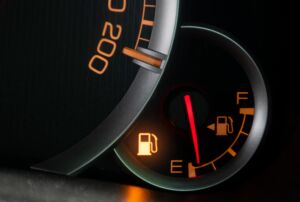
That orange fuel light isn’t just a suggestion – it’s a warning. Nearly 30% of Oklahoma drivers regularly push their luck by driving on near-empty tanks, with 1 in 20 running completely dry at least once yearly. While this might have been relatively harmless in older vehicles, today’s sophisticated fuel systems suffer real damage from this common habit.
At OK Towing Company, we provide emergency fuel delivery throughout Oklahoma City and surrounding areas. Our team at 1 (405) 449-8100 has seen the costly aftermath when drivers push their fuel limits too far.
This article explores how modern fuel systems work, the direct and indirect damage caused by driving on empty, warning signs of fuel system problems, and practical prevention strategies for Oklahoma drivers. Understanding these risks could save you thousands in repairs and help you avoid being stranded in potentially dangerous situations.
How Modern Fuel Systems Work
Today’s vehicles have come a long way from the simple carburetor-based systems of decades past. Understanding this evolution helps explain why driving on empty has become more problematic.
The Evolution from Simple to Sophisticated
Older vehicles used primarily mechanical fuel delivery systems with carburetors that relied on engine vacuum and gravity. These systems were remarkably tolerant of low fuel conditions. In contrast, modern fuel-injected engines use complex electronic systems with in-tank electric fuel pumps, precision injectors, and sophisticated sensors that constantly communicate with your vehicle’s computer.
The fuel pump in your vehicle sits inside the fuel tank for a crucial reason: the surrounding fuel actually cools the pump as it operates. When you drive on empty, the pump is exposed to air instead of being submerged in fuel. This causes it to run hotter than designed, significantly reducing its lifespan.
Modern systems operate under much higher pressure (around 40-60 psi compared to 4-6 psi in older vehicles) and require precise fuel delivery for optimal performance and emissions control. This precision makes them less forgiving when fuel levels drop critically low.
Components like the fuel pressure regulator, electronic injectors, and oxygen sensors all depend on consistent fuel delivery. When this system is compromised by running on empty, the entire fuel delivery network can suffer.
Direct Damage From Driving on Empty
The financial consequences of pushing your fuel limits can be substantial. Let’s examine the specific damage that occurs when you make a habit of driving on empty.
Fuel Pump Failure: The $500+ Mistake
The most common casualty of regularly driving on empty is the fuel pump. Without the cooling effect of surrounding fuel, these pumps overheat quickly. A replacement fuel pump typically costs between $500-$1,200 depending on your vehicle make and model, not including the inconvenience of being without transportation during repairs.
In Oklahoma’s hot summer months, this problem becomes even more acute as ambient temperatures already place additional stress on vehicle systems. When combined with low fuel conditions, pump failure rates increase dramatically.
Sediment and Contamination Issues
Fuel tanks naturally collect sediment and contaminants that settle at the bottom. When you run near empty, your fuel pump begins drawing from this debris-rich zone. Think of it like drinking from the bottom of a glass that hasn’t been washed in years.
These particles can cause several expensive problems:
- Clogged fuel filters: The first line of defense, these typically need replacement once contaminated, costing $50-$200.
- Damaged fuel injectors: These precision components can become partially or completely blocked, leading to poor performance, reduced fuel economy, and potential engine damage. Replacement costs range from $150-$1,800 depending on your vehicle.
- Fuel line obstructions: Debris can accumulate in fuel lines, restricting flow and causing irregular performance.
The fuel in your tank also helps regulate temperature within the fuel system. Without adequate volume, temperature fluctuations become more extreme, particularly problematic during Oklahoma’s temperature swings between seasons.
Indirect Problems Caused by Running Out of Fuel
Beyond the direct damage to your fuel system, running completely out of gas creates several secondary issues that many drivers don’t anticipate.
The Air Problem
When your vehicle runs completely dry, air enters the fuel system. This air must be purged before your vehicle will run properly again, which explains why cars often struggle to restart after running out of fuel completely.
In modern vehicles with sophisticated fuel injection systems, this purging process can be especially difficult. The vehicle’s computer may need to run through several start cycles before normal operation returns, placing additional strain on your starter and battery.
Catalytic Converter Complications
Your catalytic converter relies on consistent, proper combustion to function effectively. When a vehicle runs out of fuel, the resulting improper combustion or misfires can damage this expensive emissions component. Replacement costs typically range from $800 to over $2,500 depending on your vehicle.
Computer Confusion
Modern vehicles use adaptive learning to optimize performance. When you run out of fuel, these systems can reset or become confused by the abnormal operating conditions. Your vehicle may run less efficiently for dozens or even hundreds of miles afterward while the computer relearns optimal settings.
Repeated instances of running on empty can also trigger check engine lights and diagnostic trouble codes that might require professional scanning and reset procedures.
Warning Signs Your Vehicle Has Been Damaged from Driving on Empty
How can you tell if your habit of pushing fuel limits has already caused damage? Watch for these telltale indicators:
Listen for Unusual Noises
A healthy fuel pump operates with a soft, consistent hum. If you begin to hear a whining or buzzing noise, particularly when low on fuel, your pump may be showing signs of damage. This noise often becomes louder as the fuel level drops further.
Performance Problems After Refueling
If your vehicle struggles to start after refilling from near-empty or demonstrates hesitation, surging, or stalling at low speeds, these are classic symptoms of fuel system damage. Pay particular attention to how your vehicle performs during acceleration from a stop.
Efficiency Reduction
A noticeable decrease in fuel efficiency can indicate that components in your fuel system are no longer operating optimally. If you’re suddenly getting fewer miles per gallon without a change in driving habits, your fuel system may be compromised.
Check Engine Light Patterns
Modern vehicles will illuminate the check engine light when fuel system problems are detected. Codes related to “lean condition” or “fuel pressure” often indicate damage from running on empty too frequently.
Prevention Tips and Best Practices for Oklahoma Drivers
Preventing fuel system damage is much cheaper than repairing it. Here are practical strategies specifically tailored to Oklahoma driving conditions.
The Quarter Tank Rule
The simplest prevention method is to refill your tank when it reaches the quarter mark. This ensures your fuel pump remains properly submerged and cooled while avoiding the sediment zone at the tank bottom.
This rule becomes even more important when traveling on Oklahoma’s rural highways, where gas stations can be spaced far apart. The quarter tank buffer gives you approximately 50-100 miles of driving range (depending on your vehicle) to find a convenient place to refuel.
Oklahoma-Specific Planning Considerations
Our state presents unique challenges for fuel management:
- Rural driving: When venturing into western Oklahoma or the panhandle, gas stations become significantly less frequent. Plan your refueling stops in advance.
- Seasonal weather: Oklahoma’s extreme temperature variations affect fuel efficiency. Expect 1-2 mpg less during very hot or cold conditions.
- Construction zones: Oklahoma City’s ongoing road projects can create unexpected detours that increase fuel consumption. Allow extra margin when traveling through construction areas.
- Emergency preparedness: Use fuel tracking apps like GasBuddy to locate the nearest stations, especially when traveling unfamiliar routes.
Conclusion
The convenience of postponing a gas station stop simply isn’t worth the potential damage to your vehicle’s fuel system. The habit of driving on empty can lead to expensive repairs, decreased performance, and the stress of unexpected breakdowns.
By maintaining at least a quarter tank of fuel, planning ahead for Oklahoma’s unique driving conditions, and understanding the sophistication of your vehicle’s fuel system, you can avoid these costly problems. Prevention truly is the most economical approach to vehicle maintenance.
If you do find yourself in an emergency situation with an empty tank in the Oklahoma City area, remember that our fuel delivery service at OK Towing Company is just a phone call away at 1 (405) 449-8100. We’re available 24/7 to help get you back on the road quickly and safely.
Developing better refueling habits today can save you significant money and inconvenience tomorrow. Your vehicle’s fuel system will thank you with years of reliable service.