As a car owner, you’ve likely experienced the frustration of a dead battery at least once. Whether you’re stuck in your driveway or stranded in a parking lot, a non-starting vehicle can quickly throw a wrench in your plans. In these situations, you generally have two options: jumpstarting your car or replacing the battery altogether. But how do you know which choice is right for you? At OK Towing Company, we’re here to help you understand the difference between these two solutions and when to choose each one. If you find yourself in need of car jumpstart assistance, our experienced technicians are just a call away at 1 (405) 449-8100.
In this article, we’ll discuss jumpstarts and battery replacements, we’ll go through the signs that indicate which option is best for your situation. We’ll also offer tips on choosing the right replacement battery when the time comes. By the end of this article, you’ll be equipped with the knowledge to make an informed decision and get back on the road with confidence.
What is a Jumpstart?
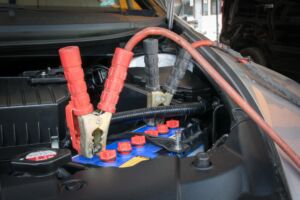
A jumpstart is a method of starting a vehicle with a dead battery by using another vehicle’s battery or a portable jump starter. This process involves connecting the two batteries with jumper cables, allowing the working battery to provide the necessary power to start the engine of the car with the dead battery.
When is a Jumpstart Appropriate?
Jumpstarting is an appropriate solution when your battery has been drained due to leaving lights on, using accessories without the engine running, or if your battery is relatively new and has no signs of damage or wear.
Will a Car Battery Recharge Itself After a Jumpstart?
Yes, once your car is running, the alternator will recharge the battery as you drive. However, it’s essential to keep the engine running for at least 15-20 minutes to allow the battery to recharge fully.
What is a Battery Replacement?
A battery replacement involves removing the old, faulty battery and installing a new one in its place. This is necessary when the battery has reached the end of its lifespan, can no longer be repaird, or can no longer hold a charge.
When is a Battery Replacement Necessary?
Battery replacement is necessary when your battery is old, frequently needs jumpstarts even with minimal use, or shows physical signs of damage or corrosion.
Can a Car Battery Die While Driving?
While less common, a car battery can die while driving if it is severely damaged or has reached the end of its lifespan. If this happens, your vehicle may stall unexpectedly, indicating a need for immediate replacement.
Signs That You Need a Jumpstart
- You accidentally left your lights on or drained the battery with accessories.
- Your battery is relatively new and shows no signs of damage or wear.
- Your car starts normally after a jumpstart and continues to function properly.
Can a Car Battery Explode During a Jumpstart?
While rare, a car battery can explode during a jumpstart if proper safety precautions are not followed. Always ensure the jumper cables are connected correctly and keep sparks or flames away from the battery to minimize the risk of explosion.
Signs That You Need a Battery Replacement
- Your battery is old and nearing the end of its expected lifespan (typically 3-5 years).
- You need frequent jumpstarts, even with minimal use of your vehicle.
- You notice physical signs of battery damage, such as cracks, leaks, or corrosion on the terminals.
- Your car struggles to start, even after a jumpstart, indicating a more serious issue.
Why Does a Car Battery Keep Dying?
If your car battery keeps dying, even after jumpstarts, it’s a clear sign that the battery is no longer able to hold a charge and needs to be replaced. This could be due to age, damage, or an underlying issue with your vehicle’s electrical system.
Factors to Consider When Choosing Between Jumpstart and Replacement
When deciding between a jumpstart and a battery replacement, consider the following factors:
- The age and condition of your battery
- The frequency of battery-related issues
- The cost difference between jumpstarting and replacing the battery
- The long-term reliability and performance of your vehicle
How to Choose the Right Replacement Battery
When it’s time to replace your car battery, consider the following factors to ensure you choose the right one:
- Battery size and type: Consult your vehicle’s owner’s manual or ask a professional to determine the correct size and type of battery for your car.
- Cold cranking amps (CCA): If you live in a colder climate, choose a battery with higher CCA for better starting power in low temperatures.
- Brand reputation: Opt for well-known, reputable battery brands with a history of reliability and performance.
- Warranty: Look for a battery with a comprehensive warranty to protect your investment.
Installation Tips and Tricks
When installing a new battery, always refer to your vehicle’s owner’s manual for specific instructions. Some general tips include:
- Ensure the battery is properly secured in the battery tray to prevent vibration and damage.
- Clean the battery terminals and cable connectors before installation to ensure a secure connection.
- Double-check that the cables are connected to the correct terminals (positive to positive, negative to negative).
Conclusion
Understanding the difference between jumpstarting and battery replacement is essential for any car owner. By recognizing the signs that indicate which option is best for your situation, you can save yourself time, money, and frustration in the long run.
Remember, if you’re ever unsure or need assistance, the team at OK Towing Company is always here to help. With our 24/7 towing and battery replacement services, we’ll get you back on the road in no time. Simply give us a call at 1 (405) 449-8100, and we’ll be there when you need us most.